

In the early 20th century, Europe was undergoing profound social and cultural transformation. Artistic avant-gardes sought new forms of expression to respond to the upheavals of their time and to overcome traditional conceptions of art. Within this dynamic environment emerged one of the most influential movements of modernism: Der Blaue Reiter (The Blue Rider). The exhibition at the Lenbachhaus in Munich, on view from March 10 to September 5, 2026, is dedicated to this pioneering group of artists and their visionary ideas.
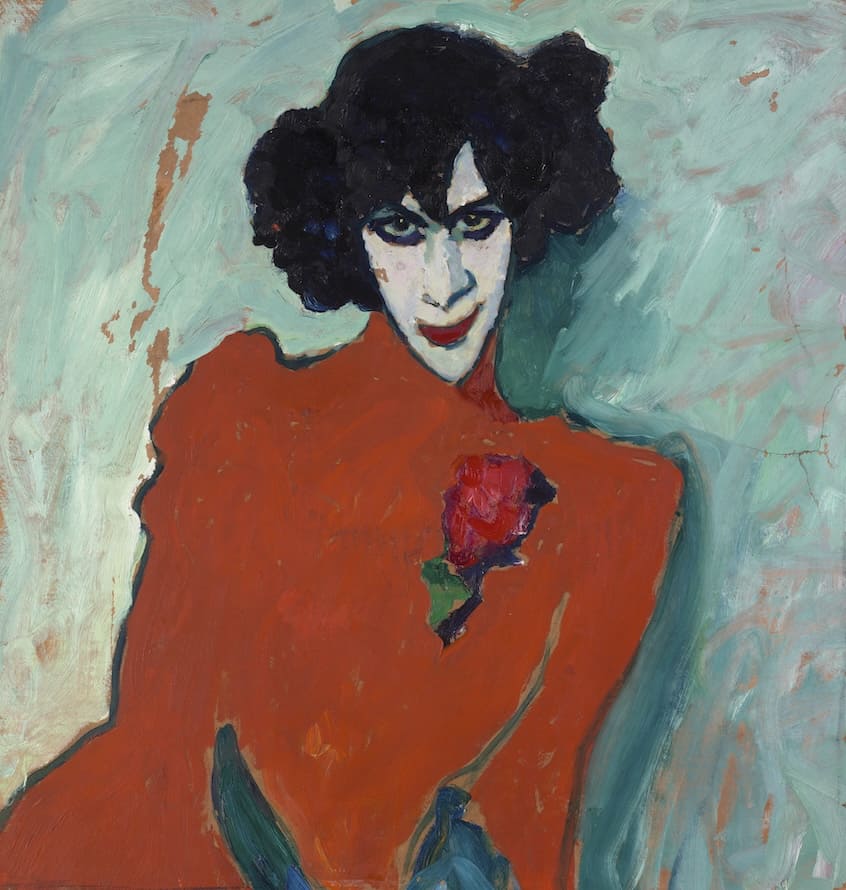
Image above: Alexej von Jawlensky, Portrait of the dancer Alexander Sacharoff, 1909, Städtische Galerie im Lenbachhaus und Kunstbau München / Lenbachhaus Munich
Particularly important in this endeavor were the two exhibitions organized by the editorial team of Der Blaue Reiter in Munich in 1911–12. The title explicitly referred to the aim of the almanac: this programmatic yearbook established Der Blaue Reiter as part of a global artistic practice that transcended eras and genres. However, Der Blaue Reiter was more than that: it was based on a network of exchange that viewed cultural differences as a creative resource. Through a transnational dialogue from the German Empire and France to the Russian Empire and the United States the participants developed new visual languages for a changing world. Many of them led unconventional lives, challenged gender roles, and sought new forms of representation beyond bourgeois norms.

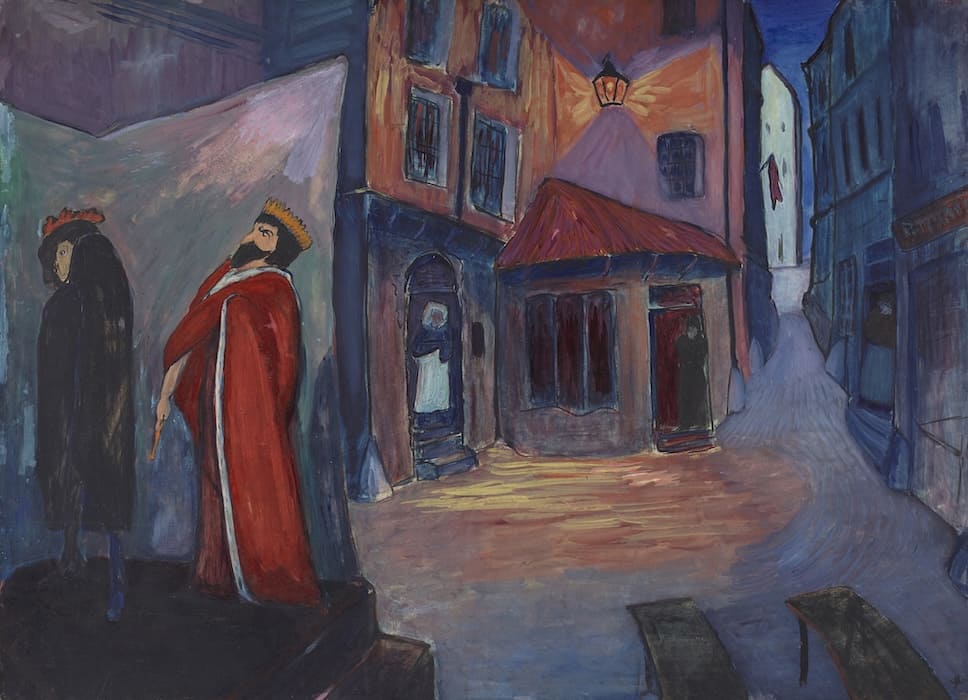
The exhibition highlights their groundbreaking achievements from Franz Marc’s symbolic color theory and Wassily Kandinsky’s abstractions to Alexander Sacharoff’s performative boundary crossing. Special attention is given to the women artists who unusually visible for their time played a central role in the movement. Alongside Gabriele Münter’s expressive painting are powerful self-portraits by Elisabeth Epstein, the dramatic works of the cosmopolitan Marianne von Werefkin, and Maria Franck-Marc’s nuanced still lifes and utopian worlds of children.
Significant new additions to the Lenbachhaus collection, such as Wilhelm Morgner’s large-scale abstract compositions and socially critical works by Emmy Klinker and Albert Bloch, are being shown for the first time. With over 240 works, the exhibition opens up new perspectives on one of the most important movements of the European avant-garde and demonstrates how relevant its questions about emancipation, artistic practice, and cross-genre innovation remain today. Der Blaue Reiter understood art as a message, not merely a matter of (beautiful) form. As Else Lasker Schüler wrote in a poem in 1911, describing the search for a broader horizon: “Beyond the world.”
Featuring works by: Albert Bloch, Erma Bossi, Wladimir Burljuk, Heinrich Campendonk, Robert Delaunay, Elisabeth Iwanowna Epstein, Otto Freundlich, Maria Franck-Marc, Alexej von Jawlensky, Wassily Kandinsky, Paul Klee, Emmy Klinker, Moissey Kogan, Alfred Kubin, Else Lasker-Schüler, August Macke, Franz Marc, Wilhelm Morgner, Gabriele Münter, Jean-Bloé Niestlé, Alexander Sacharoff, Marianne von Werefkin and other
WHEN?
Exhibition dates: Tuesday, 10. March until Saturday, 5. September 2026
WHERE?
Lenbachhaus
Luisenstraße 33
80333 München